HVAC compressors are critical components in air conditioning and refrigeration systems, responsible for compressing refrigerant gas and enabling the refrigeration cycle. Their main function is to increase the pressure and temperature of the refrigerant vapor after it leaves the evaporator, allowing it to flow through the condenser where it releases heat. By compressing the refrigerant, the compressor helps maintain the cycle of heat absorption and release, which is essential for cooling indoor air efficiently.
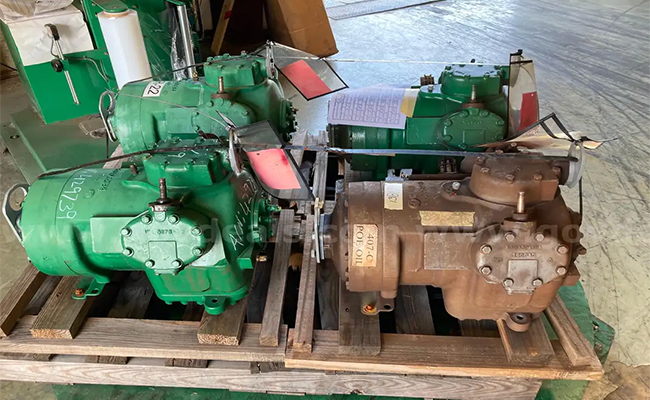
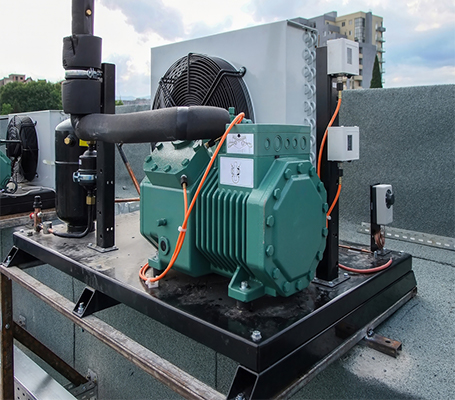
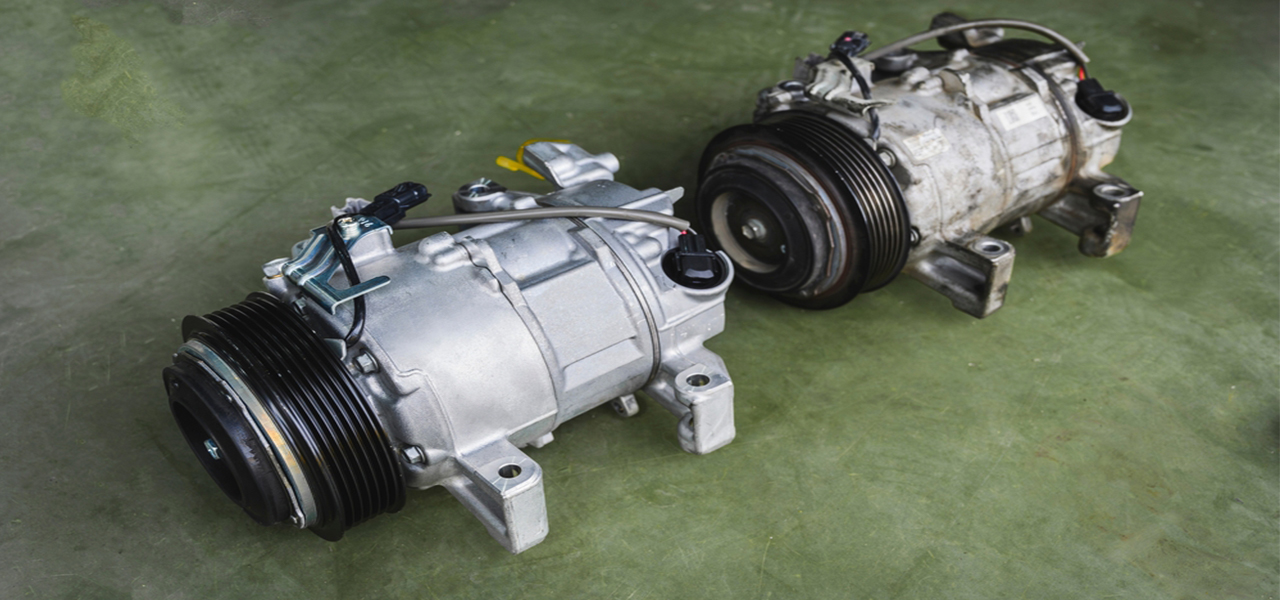
There are several types of compressors used in HVAC systems, including reciprocating (piston), rotary, scroll, and screw compressors. Reciprocating compressors use pistons to compress refrigerant and are common in smaller systems. Rotary and scroll compressors provide quieter operation and greater efficiency, making them popular in residential and commercial applications. Screw compressors are typically used in larger industrial HVAC systems due to their ability to handle high volumes of refrigerant efficiently.
The efficiency and reliability of HVAC compressors directly affect the overall performance and energy consumption of the cooling system. Modern compressors often include advanced features like variable speed drives or inverter technology, which allow the compressor to adjust its speed based on cooling demand. This capability improves energy efficiency, reduces wear, and provides more consistent temperature control. Proper maintenance, such as regular lubrication and inspection for refrigerant leaks, is vital to prolong compressor life and prevent costly breakdowns.