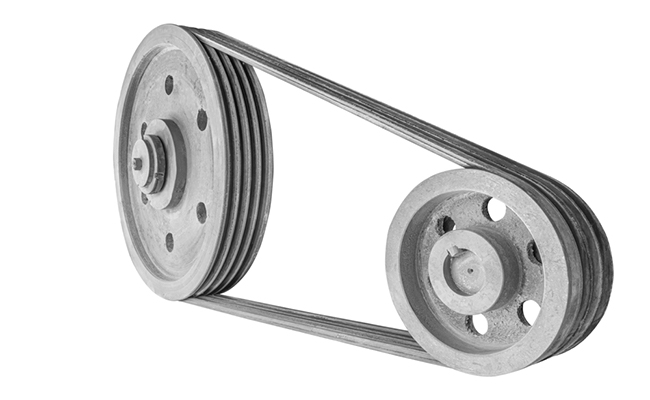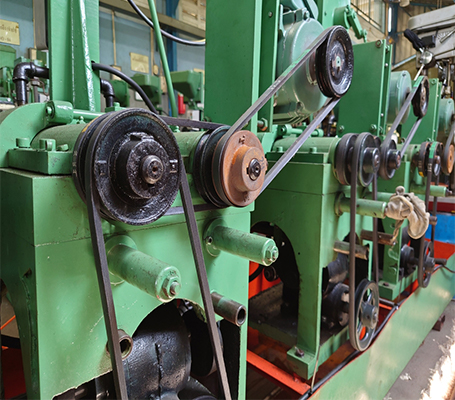
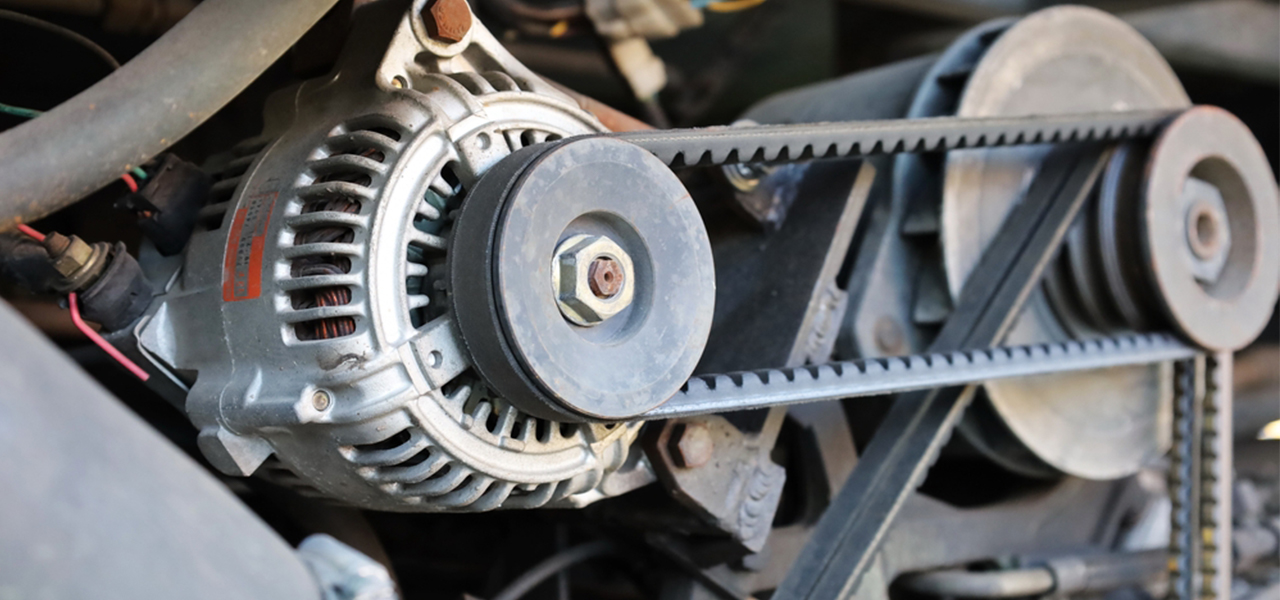
HVAC pulleys are crucial mechanical components used in heating, ventilation, and air conditioning systems to transfer power from motors to fans or blowers. Typically found in belt-driven systems, pulleys work in conjunction with belts to adjust the speed and torque delivered to moving parts such as blower wheels and fan blades. This helps regulate airflow, which is essential for maintaining consistent indoor temperatures and efficient system performance.
There are different types of HVAC pulleys, including fixed pulleys and adjustable (or variable pitch) pulleys. Fixed pulleys have a set diameter and provide consistent speed ratios, while adjustable pulleys allow for fine-tuning the fan speed by changing the effective diameter of the pulley. This flexibility can be especially useful in balancing airflow across zones or improving energy efficiency without replacing the motor or blower assembly.
HVAC pulleys are typically made from durable materials such as cast iron, steel, or aluminum, ensuring they withstand the wear and tear of continuous operation. Over time, pulleys and belts can experience wear or misalignment, which can lead to reduced system efficiency, noise, or even equipment failure. Regular inspection and maintenance of pulleys, including checking alignment, tension, and wear, are critical to ensuring optimal performance and prolonging the life of the HVAC system.