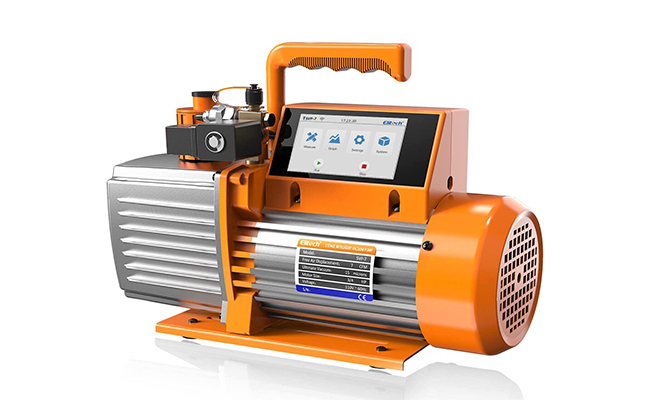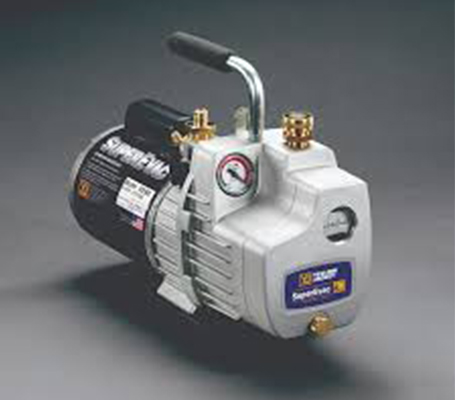
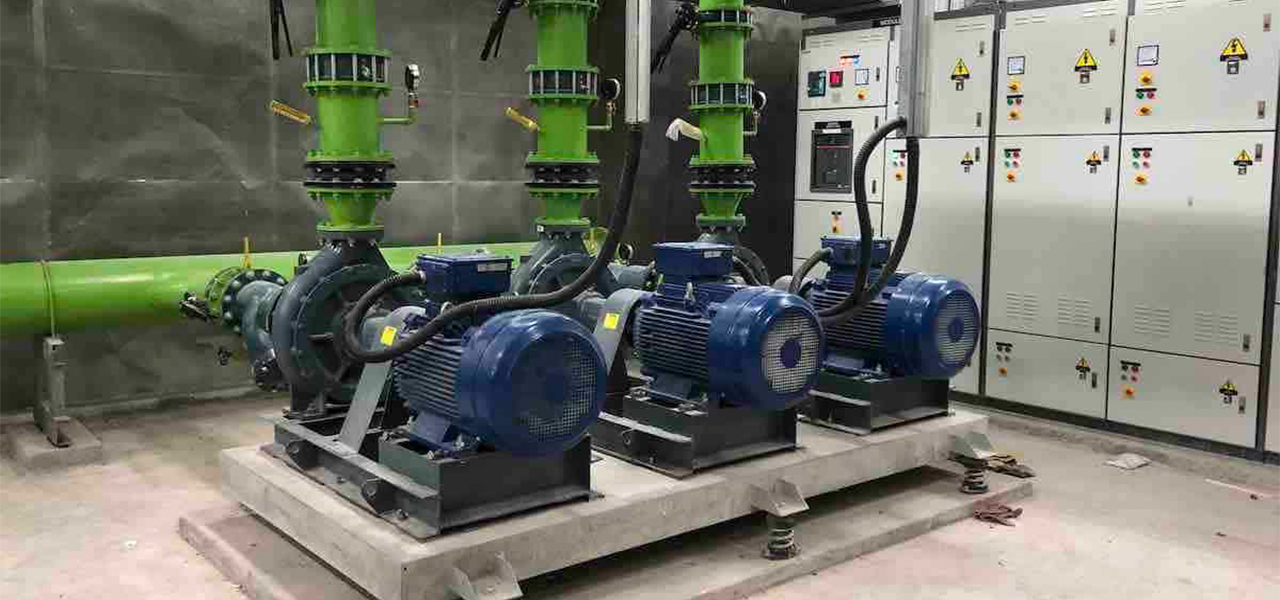
HVAC pumps are essential components in heating, ventilation, and air conditioning systems, responsible for circulating fluids such as water, refrigerant, or glycol mixtures throughout the system. These pumps are most commonly found in hydronic heating and cooling systems, including chilled water systems, hot water heating systems, and cooling towers. By moving fluids between heat exchangers, boilers, chillers, and air handling units, HVAC pumps ensure efficient heat transfer and consistent climate control across a building.
There are several types of pumps used in HVAC applications, including centrifugal pumps, inline pumps, end-suction pumps, and vertical inline or split-case pumps. Centrifugal pumps are the most common due to their simple design and efficiency in handling large volumes of fluid at relatively low pressure. In more complex systems, variable speed pumps are often used to adjust flow rates in real-time, based on system demand. This not only optimizes energy usage but also reduces wear and extends the life of the system.
The performance and efficiency of HVAC systems heavily depend on the proper operation of the pump. Modern HVAC pumps often come with integrated controls, sensors, and variable frequency drives (VFDs) that allow precise flow regulation and real-time system diagnostics. These smart features contribute to energy savings, easier maintenance, and reduced operating costs. Additionally, proper sizing, installation, and regular maintenance of HVAC pumps are critical to ensuring optimal performance and preventing issues such as cavitation, leaks, or system imbalance.