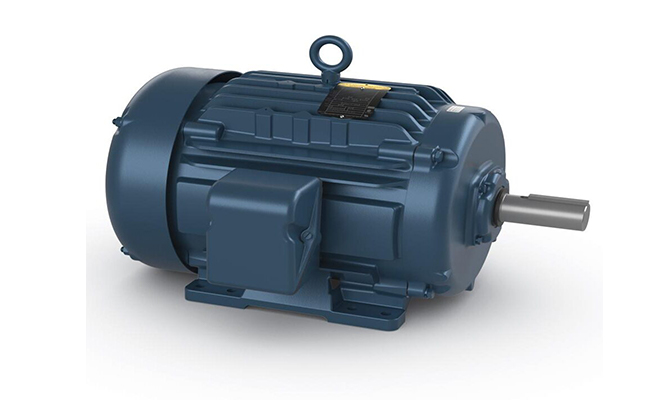
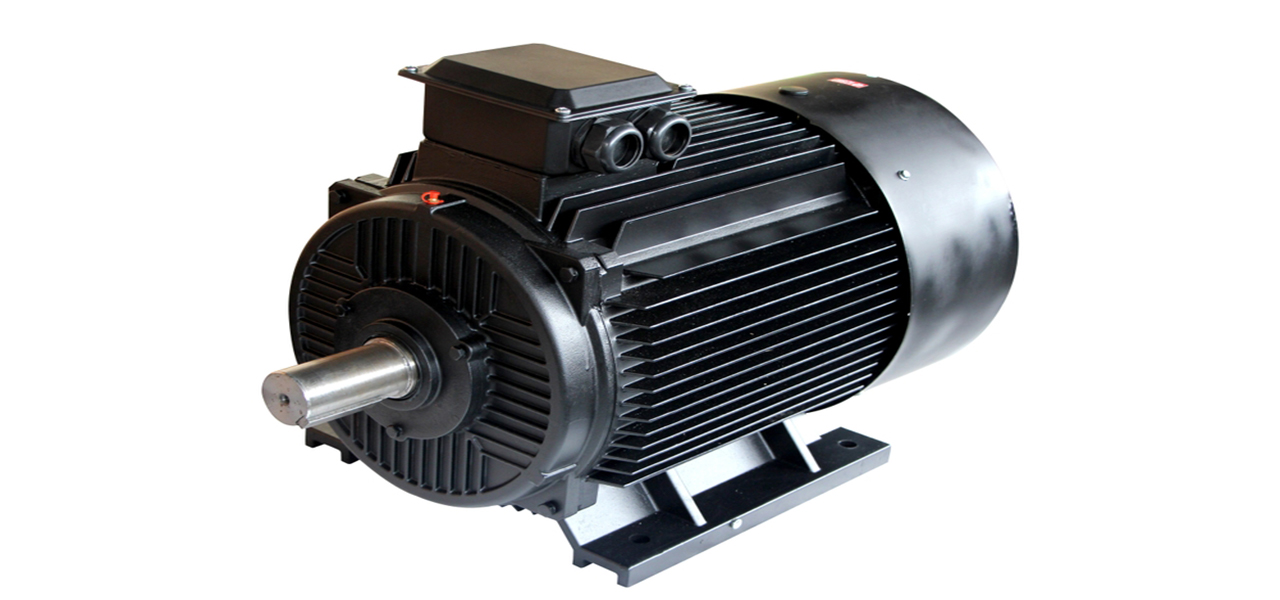
HVAC rotary motors are electric motors used in heating, ventilation, and air conditioning systems to power components such as fans, blowers, compressors, and pumps. These motors operate on the principle of rotary motion, converting electrical energy into mechanical energy that rotates a shaft. This rotation drives essential HVAC components, enabling the movement of air or refrigerant throughout the system. Rotary motors are integral to maintaining airflow, temperature regulation, and efficient operation in both residential and commercial HVAC setups.
There are various types of rotary motors used in HVAC systems, including single-phase and three-phase motors, shaded pole motors, permanent split capacitor (PSC) motors, and electronically commutated motors (ECMs). PSC motors are common in older systems and provide reliable, continuous operation, while ECMs are widely used in modern systems due to their energy efficiency, variable speed capability, and quieter performance. The choice of motor depends on the application, required efficiency, and system complexity.
One of the key advantages of HVAC rotary motors is their ability to offer precise control over airflow and pressure. Variable-speed rotary motors, especially ECMs, allow systems to adjust performance based on real-time demand, reducing energy consumption and wear on system components. Additionally, rotary motors are designed for durability and long operating life, with many models featuring thermal protection and sealed bearings to reduce maintenance needs. Their versatility and adaptability make them a cornerstone of modern HVAC technology.